


The Future of Natural Antioxidants: Why Tocopherols Are Leading the Way
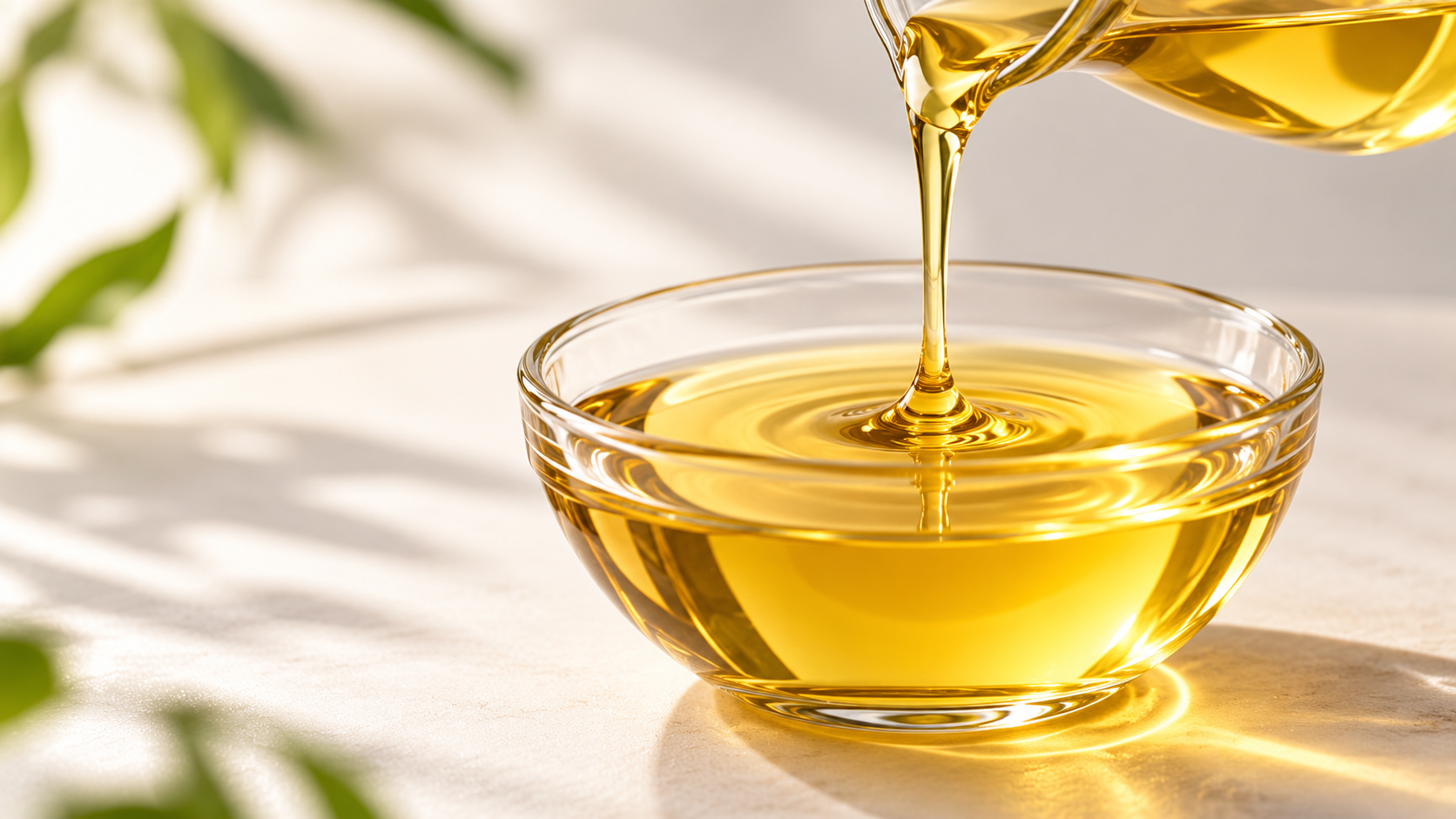
With the growing demand for naturally-derived ingredients across food, nutrition, cosmetics, and personal care, antioxidants are gaining attention these days. The primary role of these compounds is to help protect materials and biological systems from oxidative processes. One of the most popular among naturally occurring antioxidants is tocopherol, known for its established antioxidant activity, natural occurrence, and versatility across applications.
Tocopherols, part of the vitamin E family, are found in many plant-based oils, seeds, nuts, and other foods. Many researches established tocopherols as important lipid-soluble antioxidants, making them especially relevant in products containing fats and oils.
Understanding Tocopherols and Natural Antioxidants
Natural antioxidants are known for their ability to limit oxidative reactions by interacting with reactive molecules. Oxidation is a common process that can affect lipids, cells, food quality, and the stability of certain formulations.
Tocopherols are natural compounds that belong to the vitamin E family, which includes four tocopherols:
- Alpha-tocopherol
- Beta-tocopherol
- Gamma-tocopherol
- Delta-tocopherol
These compounds share a chromanol ring but differ in their molecular structures and biological behavior. One of the prime reasons of their usage in the food and skincare industry is their ability to function in lipid environments. They can be present in lipid-rich parts of foods and biological systems, where oxidative reactions involving fats can occur.
Why Tocopherols Matter in the Antioxidant Landscape
Tocopherols are most commonly known for their ability to act as chain-breaking antioxidants. The oxidation process can generate free radicals that contribute to further oxidative reactions. Tocopherols can interrupt this chain reaction by donating a hydrogen atom to lipid radicals.
In recent years, tocopherols has been identified as some of the most important lipid-soluble antioxidants found in foods and biological tissues.
Since tocopherols occur naturally in plant-derived materials, they can fit into formulations focused on naturally sourced ingredients.
The Different Forms of Tocopherols
There are four naturally occurring forms of Tocopherols, including:
- Alpha-tocopherol – This is the most well-known form of tocopherols and is the primary form of vitamin E recognized as meeting human nutritional requirements. But it doesn’t mean that the other forms are unimportant. Each form has its own distinct properties, metabolism, and biological activities.
- Beta-tocopherol – This is another naturally-occurring form of vitamin E and has a molecular structure similar to alpha-tocopherol, but the position of one methyl group on its chromanol ring is different.
- Gamma-tocopherol – This is another common form of tocopherols and is abundant in several commonly consumed vegetable oils and foods.
- Delta-tocopherol – This form of tocopherols is found in certain plant-derived sources, such as vegetable oils and seeds.
Although these forms of tocopherols belong to the same family, they’re not interchangeable. The structural difference makes each of them useful for different types of products manufacturing.
Natural Sources Are Driving New Opportunities
More people are now considering products with natural ingredients, and hence plant-based oils are gaining popularity as the most important natural sources of tocopherols. Many seeds, such as soybean, corn, sunflower, and peanut, can contain significant amounts of different tocopherol forms.
More importantly, researchers are also exploring underutilized plant materials and other products as potential sources of tocopherols. This creates more opportunities for efficient use of natural resources while supporting the development of naturally derived ingredients.
Tocopherols in Food and Formulation Applications
One of the areas where tocopherols are commonly used is food and edible oil systems. Since tocopherols are lipid-soluble, they are naturally suited to environments where fats and oils are present.
Additionally, their antioxidant properties contribute to the oxidative stability of lipid-containing systems. As a result, they become more relevant to food science and ingredient development where controlling oxidation is an important consideration.
The selection of source and composition of tocopherol depends on different factors, such as the intended application, concentration, formulation, processing conditions, and compatibility with other ingredients. Since not every kind and form of tocopherols is the same, choosing the right one requires a technical understanding of both the ingredient and the final product.
What Does the Future Hold for Tocopherols?
Several trends can shape the future development of tocopherol-based ingredients.
One of the most common ones among them is the growing interest in naturally sourced ingredients is encouraging manufacturers to investigate in plant-based antioxidant solutions.
Second is the advanced technologies used in extraction, purification, characterization, and formulation that help improve the ability to produce consistent tocopherol ingredients from natural sources.
Sustainability may also influence the use of tocopherols. Research into alternative plant sources also helps create additional pathways for recovering valuable antioxidants while improving resource utilization.